Expert Seattle Siding Services for Fiber Cement, Vinyl, and Wood Siding
Top-Quality Exterior Services for Your Home Revamp
Revamping a home often starts with its exterior. Top-quality siding services play an crucial part in enhancing both appearance and functionality. Homeowners face a multitude of options, from vinyl to fiber cement. Each choice presents unique benefits and challenges. Understanding these aspects is critical for making an educated choice. The implications of siding selection extend beyond visual appeal. What factors should one consider to guarantee enduring quality and durability?
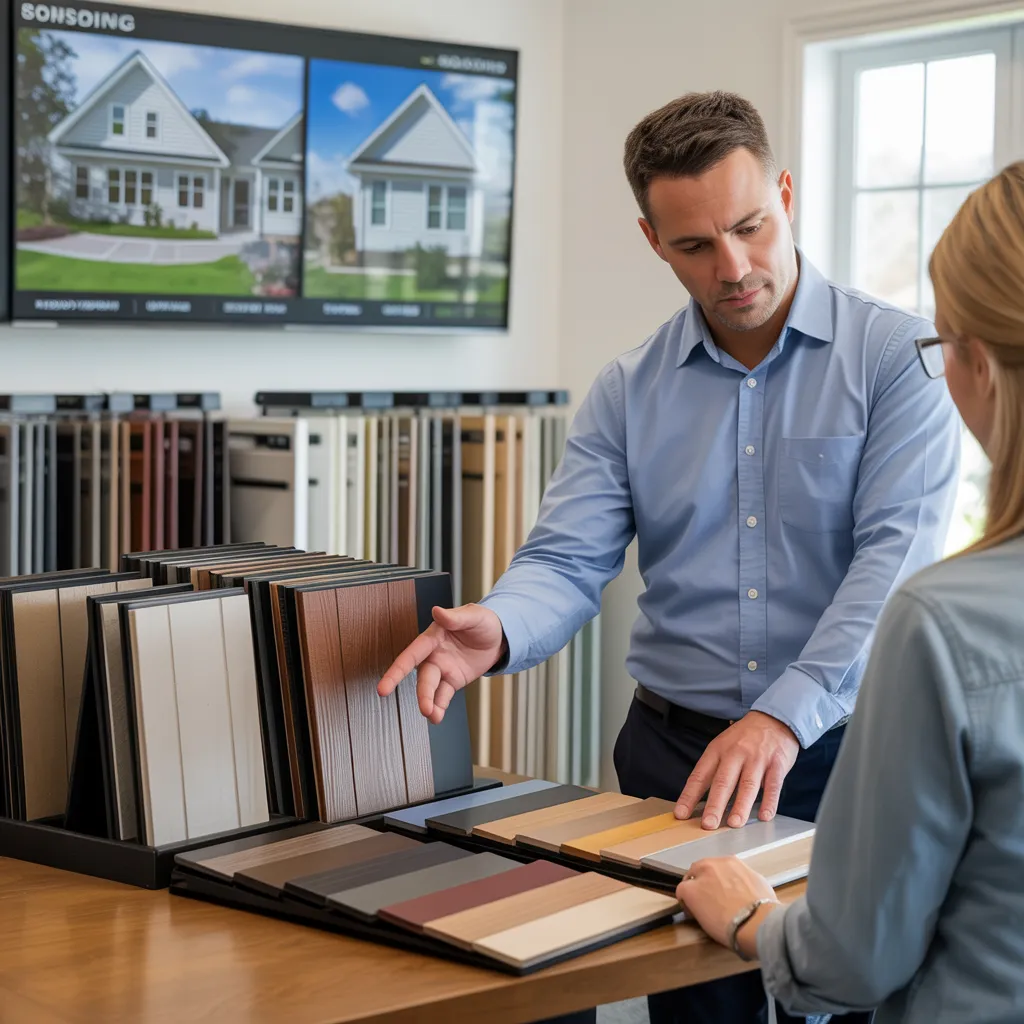
Why Professional Siding Makes a Difference for Your Home
Why is professional siding important for a house? The caliber of siding directly impacts a home's visual appearance, energy efficiency, and structural soundness. Professional installation guarantees that the siding is installed properly, minimizing the likelihood of leaks, mildew development, and pest infestations. Additionally, expert siding services often come with guarantees that protect the homeowner's financial commitment, providing confidence against potential damage.
Furthermore, professionals come with the capacity to handle diverse materials and meet local building codes, ensuring compliance and long-lasting results. Proper siding can also raise a home’s market value, making it more attractive to potential buyers. Conversely, DIY installations can lead to expensive errors and inferior outcomes. Hence, investing in professional siding is essential for preserving a home’s beauty and functionality, ultimately resulting in a safer and more comfortable living environment.
Investigating Assorted Siding Varieties: Which One Suits You Most?
When examining siding options, homeowners encounter a array of materials, each providing unique advantages. Vinyl siding is noted for its affordability nature and low maintenance, while wood siding provides classic aesthetics that boost curb appeal. Meanwhile, fiber cement distinguishes itself for its superior durability and strength against the elements, making it a viable choice for many.
Vinyl Siding Merits
Although property owners often face a multitude of options when selecting exterior cladding, vinyl siding distinguishes itself due to its distinct blend of durability and low maintenance. This product is resistant to rot, pests, and harsh weather, making it an ideal choice for different climates. In addition, vinyl siding comes in an extensive range of colors and styles, providing flexibility in design without the need for frequent repainting. Its affordability compared to other siding options makes it accessible for many homeowners, while a simple cleaning process guarantees it remains attractive over time. Moreover, vinyl siding contributes to energy efficiency, helping to reduce heating and cooling costs. Overall, these benefits position vinyl siding as a strong choice for home revamps.
Wood Siding Looks
While PVC panels offers practicality, wood siding appeals with its raw elegance and timeless appeal. The rich textures and warm tones of wood create an inviting atmosphere, improving a home's street-facing charm. Available in several types, like cedar, pine, and redwood, wood siding allows homeowners to adjust their visual tastes. Its adaptability can complement different architectural styles, from country homes to modern designs. Additionally, wood siding can be painted or colored to achieve the intended style, enabling further personalization. However, the distinctive wood marks and natural variations in color offer a singular aesthetic that synthetic materials often lack. Consequently, wood siding remains a popular choice for those seeking an stylish natural finish for their homes.
Fiber Cement Resilience
Fiber cement siding stands out for its exceptional durability, making it a strong contender in the world of home exteriors. Composed of a blend of cement, sand, and cellulose fibers, this material resists rot, warping, and insect damage. Unlike wood, fiber cement does not yield to moisture-related issues, guaranteeing long-term performance even in harsh climates. Its resistance to fading and cracking also contributes to its longevity, demanding minimal maintenance over the years. Additionally, it can be painted in various colors, allowing homeowners to customize aesthetics without compromising durability. This combination of strength and versatility makes fiber cement siding an ideal choice for those seeking both form and function in their home improvement projects.
The Role of Siding in Increasing Energy Performance and Comfort
Siding functions as a vital factor in upgrading a home's energy conservation and comfort. Its thermal properties can markedly lessen heat escape, while modern air sealing techniques help preserve a stable indoor setting. As a result, homeowners can experience reduced energy expenses and better overall quality of living.
Siding's Energy Efficiency Performance and Attributes
A effectively insulated home can significantly increase both energy efficiency and comfort. Siding is vital in making this achievable by adding an extra layer of insulation. Various siding materials, such as insulated vinyl or fiber cement, are created to decrease heat transfer, keeping homes warmer in winter and cooler in summer. This thermal barrier reduces the workload on heating and cooling systems, resulting in lower energy bills. Moreover, the insulation properties of siding support a more consistent indoor environment, boosting overall comfort. By choosing premium siding with outstanding insulation, homeowners can benefit from a more energy-efficient home while also benefiting from improved noise reduction and durability. These factors make siding a smart investment in home improvement.
Stopping Air Leakage Strategies
Preventing air leakage is essential for improving energy efficiency and comfort within a home. Proper siding installation plays a key role in this process. Quality siding materials, such as fiber cement or vinyl, often feature interlocking designs that minimize gaps, reducing the potential for air infiltration. Additionally, employing proper sealing methods, like caulking and weather stripping, enhances the barriers against unwanted drafts. Insulation behind the siding also contributes greatly by maintaining a stable indoor temperature. Regular maintenance, including inspections for cracks and wear, guarantees that the siding continues to function optimally. By addressing air leakage through thoughtful siding choices and meticulous installation, homeowners can achieve significant energy reductions and improved indoor comfort year-round.
What Should You Look for in Energy-Efficient Siding?
When thinking about energy-efficient siding, property owners often question what key features to focus on. First and foremost, thermal insulation is essential; siding with a high R-value demonstrates better thermal resistance, which keeps stable indoor temperatures. Property owners should also look for products that are resistant to moisture and mold, as these can compromise energy efficiency over time.
An important feature is the siding's capacity to lower air infiltration. Products with snug seams and interlocking panels can decrease drafts. Moreover, reflective surfaces that deflect sunlight can enable keeping homes cooler in the summer.
In conclusion, green materials that advance sustainability can be favorable. Selections such as fiber cement or engineered wood not only present durability but also maximize energy efficiency. By weighing these elements, homeowners can make sound decisions that ensure lower energy bills and a more pleasant home environment.
Main Points for Selecting the Ideal Siding Material
Selecting the appropriate exterior cladding involves multiple important considerations that extend beyond energy efficiency. Homeowners should emphasize longevity, as options such as vinyl or fiber cement can resist harsh weather conditions. Visual attractiveness is also essential; the exterior should enhance the property's architectural style while matching personal taste. Maintenance requirements differ significantly among materials; wood may demand regular painting or staining, whereas vinyl generally requires minimal maintenance.
Expense serves as another crucial element, including both upfront costs and long-term expenses. Sustainable solutions, such as recycled timber or repurposed resources, could appeal to environmentally conscious homeowners. Furthermore, local climate conditions ought to affect the choice, with certain products functioning more effectively in particular climates. Ultimately, property owners should evaluate the accessibility of siding options in their area, because this may impact both selection and installation processes. Taking a thoughtful approach will guarantee that the chosen siding enhances both the property's worth and curb appeal.
Why Installation Is critical for Siding Durability
Correct placement is vital for preserving the longevity of siding materials. When siding is installed properly, it establishes a secure barrier against environmental elements, lowering the risk of damage from moisture, wind, and pests. Incorrect positioning or improper sealing during installation can lead to gaps that allow liquid seepage, ultimately causing mildew formation and structural damage.
Also, respecting manufacturer guidelines during installation is mandatory. Each siding material has specific requirements that, when followed, promote durability and performance. For instance, improper nailing techniques or inadequate insulation can undermine the integrity of the siding, leading to premature deterioration.
Additionally, professional installation often includes quality checks and guarantees, providing homeowners with peace of mind. Investing in a professional installation crew not only ensures visual attractiveness but also protects the investment in siding, maximizing its durability and effectiveness. Proper installation, consequently, is a essential step in maintaining the value and protection of a home.
Recommendations for Looking after Your Siding for Long-lasting Beauty and Protection
Protecting wall coverings requires regular upkeep to guarantee its attractive appearance and shielding abilities persist over time. Homeowners should start with periodic evaluations to spot any evidence of harm, such as fractures or distortion. Cleaning the siding every half-yearly is vital; using a gentle soap and delicate bristles can avoid the gathering of grime and mildew. Additionally, examining the sealant around openings helps to stop moisture seepage, which can cause more serious problems.
It is also wise to refinish wood siding every few years to preserve its integrity and appearance. For vinyl siding, a simple wash with a garden hose is often adequate. Homeowners should be aware of overhanging trees that can harm siding and cut them down as needed. By implementing these maintenance tips, homeowners can confirm their siding stays attractive and functional for years to come.
Commonly Posed Questions
What Approaches Can Help Me Spot Symptoms of Worn Siding?
To identify indicators of siding damage, one should search for cracks, warping, paint peeling, mold development, and spaces between panels. Additionally, check for moisture inside your house, which may signal underlying issues with the siding.
What Is the Standard Life Expectancy of Multiple Siding Materials?
The related article duration of exterior finishes differs: wood lasts 20-40 years, vinyl 20-30 years, fiber cement 25-50 years, and aluminum about 30 years. Factors including climate and maintenance can significantly determine these timeframes.
Is a License Necessary for Siding Installation?
Whether a credential is needed for siding installation copyrights on local guidelines. Commonly, homeowners should contact their municipal building department to confirm adherence with any obligatory credentials and to circumvent potential assessments or undertaking delays.
Is Installing New Siding Over Existing Siding Doable?
Yes, new siding can frequently be installed over existing siding, provided the underlying structure is sturdy and adheres to local code requirements. However, proper assessment and potential vapor barriers should be evaluated to guarantee long-term durability.
How Does Siding Impact My Home's Resale Value?
Siding considerably shapes a home's market value by strengthening street appeal and energy efficiency. High-quality materials and professional installation can interest purchasers, possibly raising offers and minimizing time on the market, ultimately generating a better return.