Protect and Enhance Your Property with Seattle Siding Services
Top-Quality Exterior Solutions for Your Home Revamp
Revamping a home often begins with its outside. Top-quality siding services play an essential role in enhancing both appearance and functionality. Property owners face a variety of options, from vinyl to fiber cement. Each option presents distinct benefits and challenges. Understanding these factors is vital for making an educated decision. The implications of siding selection extend beyond aesthetics. What elements should one weigh to ensure lasting value and performance?
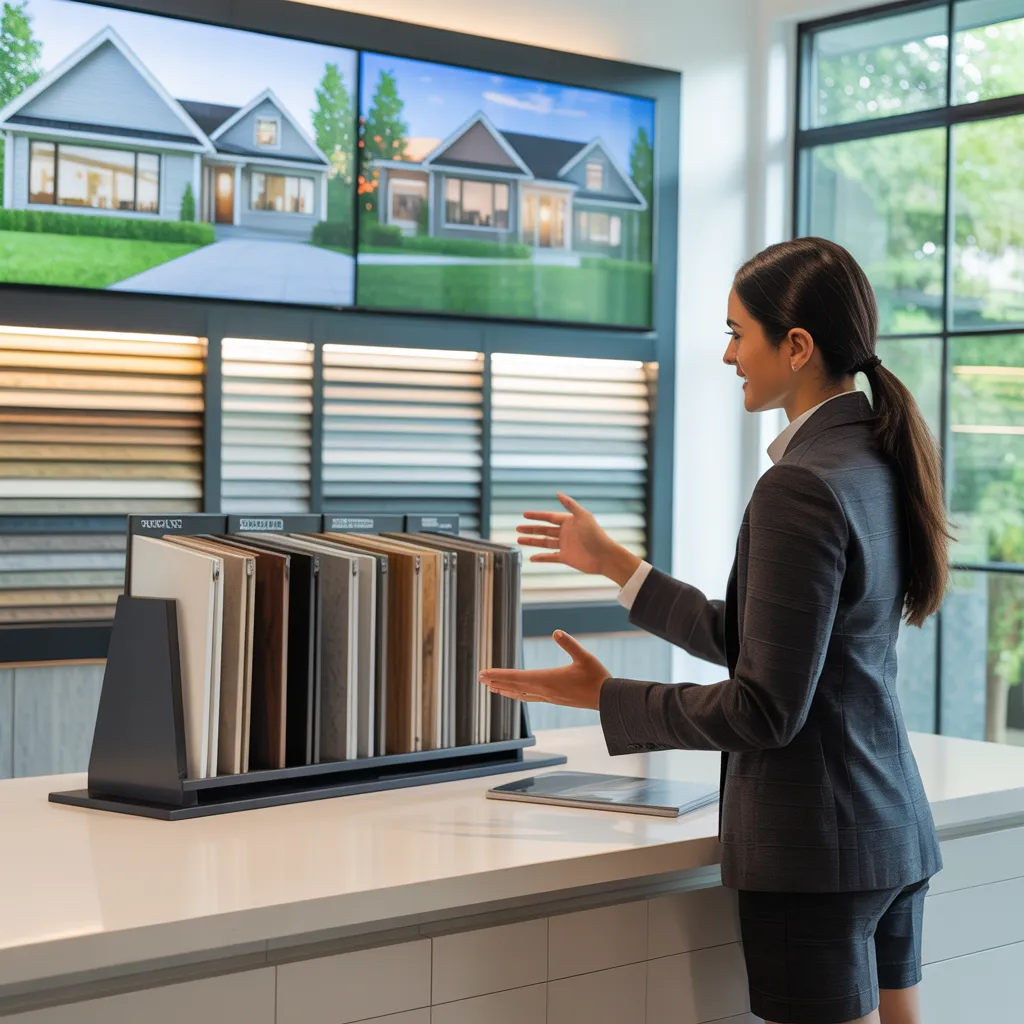
Why Professional Exterior Cladding Is Important for Your Home
Why is professional siding significant for a residence? The grade of siding impacts a home's visual aesthetic, energy efficiency, and structural integrity. Professional installation secures that the siding is properly installed, limiting the risk of moisture leaks, mold growth, and pest invasions. Equally important, expert siding work often come with warranties that guard the homeowner's investment, ensuring peace of mind against damage.
Additionally, specialists are equipped with the skills to handle different materials and local building codes, ensuring adherence and longevity. Proper siding can also raise a home’s market value, making it more desirable to prospective buyers. By contrast, DIY installations may result in costly errors and poor results. As a result, investing in professional siding is essential for maintaining a home’s beauty and functionality, ultimately contributing to a safer and more comfortable living environment.
Discover Various Siding Choices: What Choice Is Ideal for Your Requirements?
When evaluating siding options, homeowners face a variety of materials, each offering unique advantages. Vinyl siding is recognized for its affordability and low maintenance, while wood siding delivers classic aesthetics that enhance curb appeal. Meanwhile, fiber cement stands out for its outstanding durability and resistance to the elements, making it a sensible choice for many.
Vinyl Siding Advantages
Although homeowners often face a wide range of choices when choosing siding materials, vinyl siding stands out due to its unique combination of durability and low maintenance. This material is resistant to rot, pests, and harsh weather, making it an ideal choice for various climates. In addition, vinyl siding comes in a extensive range of colors and styles, providing versatility in design without the need for frequent repainting. Its affordability compared to other siding options makes it available for many homeowners, while a simple maintenance routine guarantees it remains aesthetically attractive over time. Moreover, vinyl siding contributes to thermal performance, helping to reduce heating and cooling costs. Overall, these benefits position vinyl siding as a strong choice for home revamps.
Wooden Siding Visual Character
While vinyl siding offers practicality, wood siding delights with its authentic appeal and timeless appeal. The luxurious character and inviting warmth of wood generate an inviting atmosphere, boosting a home's aesthetic presence. Obtainable in different kinds, like cedar, pine, and redwood, wood siding permits homeowners to determine their visual choices. Its adaptability can work with different design formats, from heritage homes to contemporary buildings. Also, wood siding can be painted or stained to realize the preferred visual, enabling extra personalization. Yet, the distinctive grain marks and organic hue variation showcase a unmatched personality that synthetic materials frequently do not provide. Hence, wood siding stands as a favored selection for those seeking an elegant, organic appearance for their homes.
Fiber Cement Lifespan
Fiber cement siding provides exceptional durability, making it a top choice in the area of home exteriors. Consisting of a mix of cement, sand, and cellulose fibers, this material protects against rot, warping, and insect damage. Unlike wood, fiber cement does not yield to moisture issues, ensuring reliable performance even in extreme climates. Its resistance to wearing off and cracking also supports its longevity, requiring minimal care over the years. Additionally, it can be painted in many colors, enabling homeowners to customize aesthetics without jeopardizing durability. This combination of strength and versatility makes fiber cement siding an excellent option for those seeking both style and substance in their home improvement projects.
How Exterior panels Optimizes Energy Efficiency and Comfort
Siding constitutes an indispensable component in strengthening a home's thermal efficiency and comfort. Its thermal insulation can markedly diminish heat loss, while innovative air leakage prevention approaches help copyright a balanced indoor environment. As a result, homeowners can gain lower utility bills and upgraded overall comfort.
Insulation Properties of Siding
A efficiently insulated home can significantly enhance both energy efficiency and comfort. Siding is essential in making this possible by providing an additional layer of insulation. Various siding materials, such as insulated vinyl or fiber cement, are made to lessen heat transfer, keeping homes warmer in winter and more comfortable in summer. This thermal barrier minimizes the workload on heating and cooling systems, leading to lower energy bills. Moreover, the insulation properties of siding support a more consistent indoor climate, enhancing overall comfort. By opting for high-quality siding with excellent insulation, homeowners can benefit from a more energy-efficient residence while also receiving benefits of noise reduction and durability. These factors make siding valuable investment in home improvement.
Air Leakage Prevention Techniques minimize air loss with reliable approaches
Minimizing air leakage is critical for maximizing energy efficiency and comfort in a residence. Sound siding installation is fundamental in this process. Superior siding materials, such as fiber cement or vinyl, typically feature interlocking designs that close gaps, curtailing the risk for air infiltration. Additionally, executing reliable sealing methods, like caulking and weather stripping, enhances the protective barriers against unwanted drafts. Insulation installed behind the siding also contributes substantially by preserving a consistent indoor temperature. Routine care, including examinations for cracks and wear, ensures that the siding works effectively at its best. By managing air leakage through thoughtful siding selections and careful installation, homeowners can realize impressive energy savings and better indoor comfort throughout the year.
How to Find Premium Eco-Friendly Siding Characteristics?
When considering energy-efficient siding, homeowners often question what vital features should be prioritized. Thermal insulation properties proves essential; siding with a superior R-rating shows better thermal resistance, which helps keeping internal climate stable. Property owners must evaluate options with protection against dampness and fungal growth, because these elements can reduce energy efficiency eventually.
Another significant feature is the siding's ability to reduce air infiltration. Items with snug seams and interlocking panels can minimize drafts. Additionally, shiny surfaces that reflect sunlight can help maintain homes cooler in the summer.
Ultimately, eco-conscious materials that foster sustainability can prove helpful. Selections including fiber cement or engineered wood furnish both durability and strengthen energy efficiency. By reviewing these considerations, homeowners can make sound choices that cause lower utility bills and a more comfortable living environment.
Essential Criteria for Choosing the Right Siding Material
Finding the suitable siding material involves various essential factors that surpass energy efficiency. Property owners must highlight strength, as materials like vinyl or fiber cement can withstand harsh weather. Visual charm is essential; the siding should reflect the home's design character while respecting personal preferences. Maintenance needs vary markedly among materials; wood may require consistent refinishing, whereas vinyl typically requires reduced maintenance.
Pricing constitutes another key consideration, spanning both upfront expenditure and continuing expenses. Alternative sustainable options, such as restored timber or recycled materials, may captivate environmentally aware homeowners. Besides, local weather patterns should direct your selection, with certain materials functioning well in unique environments. To summarize, homeowners should consider the supply of siding varieties available in their region, as this will affect both selection and installation processes. Exercising careful judgment will promise that the preferred option improves both the home's market value and curb appeal.
Why Correct installation Is Important in Siding Long-term performance
Proper installation is crucial for ensuring the durability of exterior cladding materials. When siding is applied correctly, it forms a strong shield against environmental elements, reducing the threat of harm from moisture, wind, and pests. Incorrect alignment or faulty sealing during installation can result in gaps that allow water infiltration, ultimately producing mold formation and structural damage.
Furthermore, compliance with manufacturer guidelines during installation is critical. Each siding material possesses specific needs that, when observed, enhance durability and operation. For instance, improper nailing techniques or inadequate insulation can compromise the integrity of the siding, causing premature deterioration.
In addition, professional installation often involves quality reviews and guarantees, ensuring homeowners with peace of mind. Investing in a skilled installation team not only guarantees aesthetic appeal but also secures the siding investment, prolonging its expected life and effectiveness. Proper installation, therefore, is an essential step in protecting the value and security of a home.
Tips for Maintaining Your Siding for Lasting Beauty and Protection
Maintaining siding requires regular attention to ensure its beauty and safeguarding properties persist over time. Homeowners should begin with routine inspections to detect any indicators of damage, such as fractures or warping. Washing the siding every six months is crucial; using a gentle detergent and soft brush can prevent the buildup of dirt and mildew. Additionally, checking the caulking around windows and doors helps to stop water penetration, which can cause more substantial issues.
It is also advisable to repaint or stain wood siding every few years to maintain its look and condition. For vinyl siding, a simple wash with a garden hose is often sufficient. Homeowners should be mindful of overhanging trees that can damage or scratch siding and cut them down as needed. By applying these maintenance tips, homeowners can confirm their siding remains functional and attractive for years to come.
Frequently Asked Questions
What Are the Ways to Spot Indicators of Worn Siding?
To recognize siding deterioration, you should observe cracks, warping, peeling paint, mold growth, and gaps between panels. Moreover, watch for dampness throughout your property, which could point to hidden siding complications.
How Long Is the Expected Lifespan of Diverse Siding Materials?
The typical lifespan of siding options varies: wood endures 20-40 years, vinyl 20-30 years, fiber cement 25-50 years, and aluminum about 30 years. Factors like weather conditions and maintenance can significantly influence these durations.
Is a Permit Needed for Siding Installation?
Whether a permit is necessary for installing siding is determined by local regulations. Generally, property owners should consult their municipal building department to confirm compliance with any necessary permits and to prevent potential fines or construction delays.
Can You Apply New Siding Over Current Siding?
Yes, updated siding can often be placed over existing siding, as long as the underlying structure is solid and adheres to local construction requirements. However, proper evaluation and feasible water barriers should be reviewed to ensure long-term durability.
What Effect Does Siding Have on My Home's Market Value?
Siding considerably influences a home's resale value consult now by strengthening street-facing aesthetics and thermal efficiency. Quality materials paired with professional craftsmanship can entice homebuyers, potentially increasing offers and shortening time on the market, ultimately producing a increased return.